
Why Braids for Men in Belgium 2026: 30,000 Years of Heritage
Loading campaign…
Braids have served as powerful symbols of identity and status for over 30,000 years, yet many men in Belgium overlook their cultural richness and practical advantages. For members of the African diaspora seeking protective hairstyles that honor heritage while simplifying daily grooming, braids offer an ideal solution. This guide explores their deep cultural roots, protective benefits, modern styling options, and how professional services in Antwerp can help you embrace this timeless tradition.
Table of Contents
- Cultural Roots And Significance
- Protective Benefits Of Braids
- Popular Braiding Styles For Men In 2026
- Professional Braiding Services Benefits
- Maintenance And Aftercare
- Common Misconceptions About Braids
- Choosing Braids For Modern Life In Belgium
- Professional Braiding Services In Antwerp
- Frequently Asked Questions About Braids For Men
Key Takeaways
| Point | Details |
|---|---|
| Cultural Significance | Braids carry thousands of years of African heritage and identity, connecting modern wearers to ancestral traditions. |
| Hair Protection | They minimize breakage and moisture loss while reducing daily styling demands for textured hair. |
| Style Versatility | Modern options like box braids and cornrows blend cultural authenticity with contemporary aesthetics. |
| Professional Advantage | Expert braiders ensure durability, scalp health, and precise cultural designs unavailable through DIY methods. |
| Low Maintenance | Properly installed braids last 2 to 4 weeks with minimal upkeep beyond moisturizing and nightly protection. |
Cultural Roots and Significance
Braids carry a legacy spanning millennia across diverse civilizations. Braids have a history spanning over 30,000 years, serving as social markers of tribal affiliation, status, and identity in diverse cultures including African communities. Ancient Ethiopian warriors, West African royalty, and even Viking explorers wore intricate braided patterns that communicated their societal roles and tribal belonging.
For African diaspora communities in Belgium, braids represent far more than aesthetic choice. They embody a visible connection to ancestral homelands and cultural practices passed through generations despite displacement and colonial pressures. When you choose braids today, you participate in reclaiming and celebrating this heritage. Each pattern tells a story, whether it reflects traditional Fulani designs or modern urban interpretations.
This understanding transforms braids from simple hairstyling into cultural expression. Men who wear braids honor their roots while adapting ancestral traditions to contemporary European life. The history of braids for men reveals that masculinity and braided hair have coexisted throughout human civilization, challenging modern misconceptions that position braids as exclusively feminine.
“Braids serve as living archives of cultural memory, carrying forward the artistic traditions and social structures of our ancestors into modern urban spaces.”
Understanding these roots empowers you to wear braids with intentionality and pride. Whether you select traditional patterns or contemporary fusion styles, you engage with a practice that has shaped human identity across continents and centuries.
Protective Benefits of Braids
Braids function as protective hairstyles by minimizing hair breakage and frizz, reducing the need for daily styling, which preserves hair health especially for textured hair common in African diaspora. The tight, secure structure shields individual strands from environmental damage, friction against clothing, and the constant manipulation that causes split ends and thinning.
Textured hair naturally produces less sebum than straight hair, making moisture retention challenging. Braids trap natural oils close to the scalp and hair shaft, preventing the dryness that leads to brittleness. This enclosed environment maintains the hair’s integrity far better than loose styles requiring daily combing, brushing, or heat styling.
Typical braids last between 2 and 4 weeks when properly installed and maintained. During this period, you eliminate the morning routine of styling products, tools, and decision fatigue about your appearance. For professionals balancing demanding schedules, this time savings proves invaluable. The protective hairstyle benefits extend beyond convenience to genuine hair health improvement.
Key protective advantages include:
- Reduced mechanical stress from combing and brushing that weakens hair follicles over time
- Protection from UV radiation, wind, and pollution in urban Belgian environments
- Moisture preservation that prevents the dryness causing breakage in textured hair
- Scalp rest from constant product application and heat tool usage
- Length retention as hair grows undisturbed within protective braided structure
These benefits accumulate over months of consistent protective styling. Men who transition from daily manipulation to protective braids often notice improved hair thickness, reduced shedding, and better overall scalp condition within weeks.
Popular Braiding Styles for Men in 2026
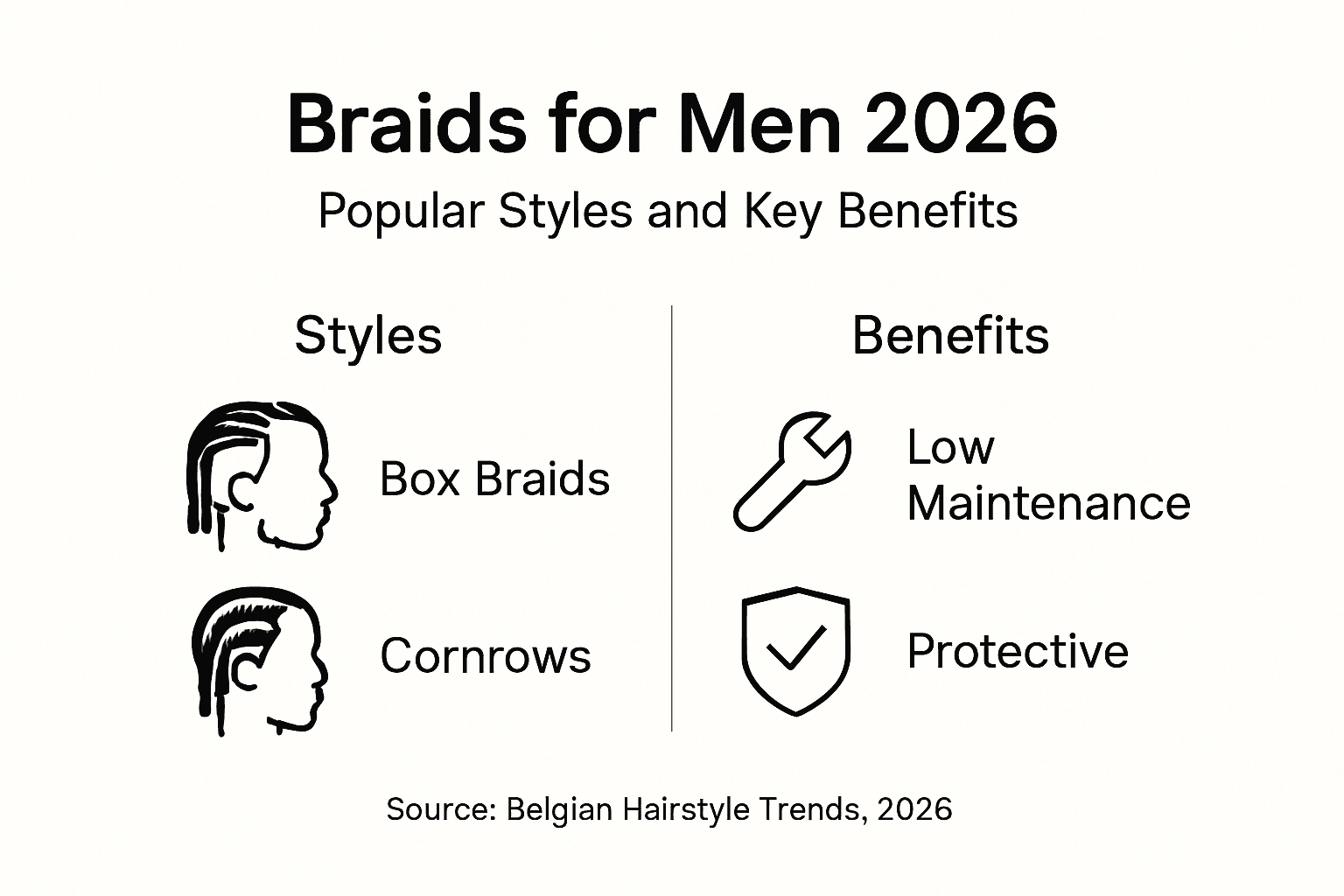
Popular braiding styles for men in 2026 include box braids, cornrows, two-strand twists, and Viking-inspired braids, offering versatility across hair textures and lengths. Each style brings distinct aesthetic qualities and practical considerations that suit different lifestyles and personal preferences.
Box braids remain the most recognized option, featuring individual square sections braided from root to tip. The box braids styles available range from thick, chunky braids requiring less installation time to micro braids offering intricate detail and longer wear. These work exceptionally well for medium to long hair, providing clean geometric patterns that photograph beautifully and maintain shape for weeks.
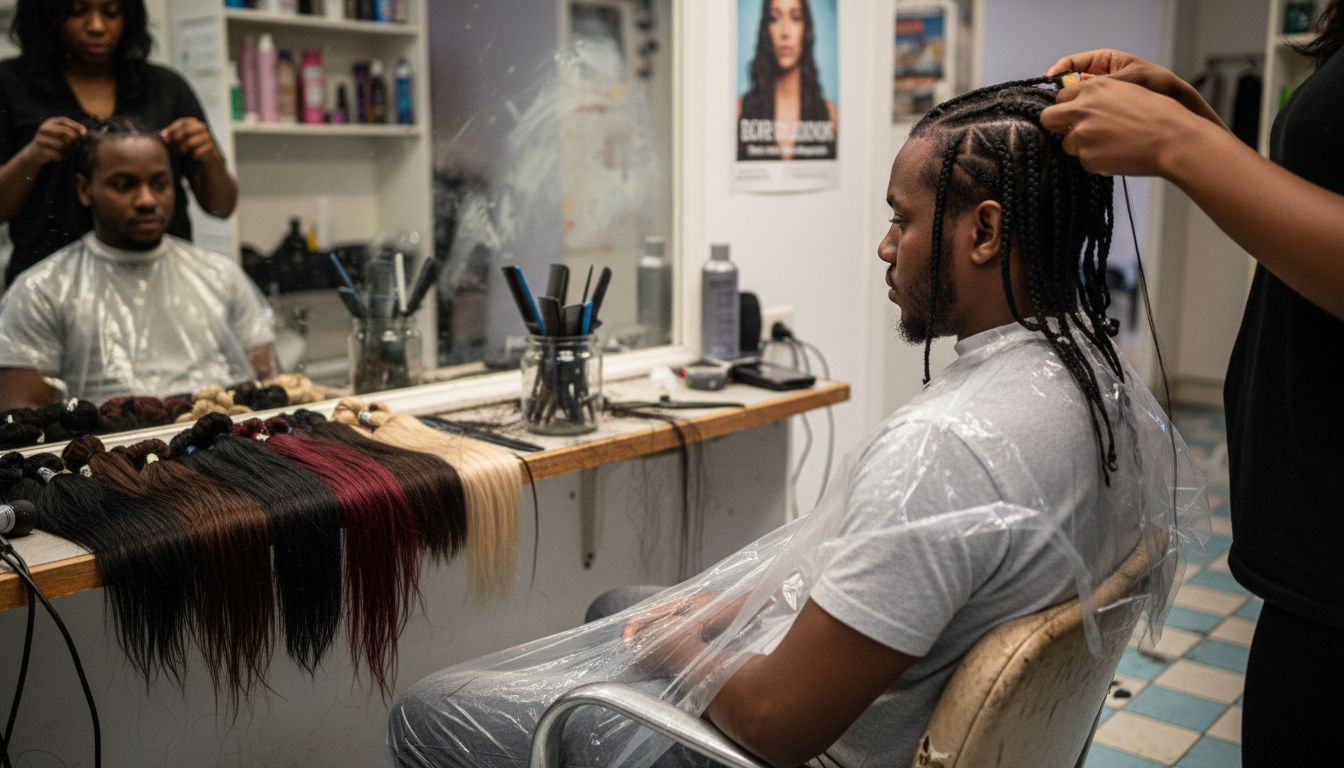
Cornrows create sleek, scalp hugging designs ideal for active lifestyles. The cornrows styles can follow straight back patterns, curve into artistic designs, or combine with faded sides for contemporary contrast. Athletes particularly appreciate cornrows for their security during physical activity and minimal bulk under helmets or headgear.
The fusion of braids with modern barbering techniques defines 2026 trends. Combining intricate braiding with sharp fades, tapered sides, or undercut designs creates striking visual contrast. This hybrid approach honors cultural braiding traditions while embracing European urban aesthetics popular in Antwerp and Brussels.
- Box Braids: Individual sections offering maximum versatility in thickness and length
- Cornrows: Tight, scalp-braided rows providing security and sleek appearance
- Two-Strand Twists: Rope-like sections creating textured, voluminous styles
- Knotless Braids: Gentler installation reducing scalp tension while maintaining durability
- Feed-In Braids: Gradual hair addition creating natural looking, less bulky starts
| Style | Ideal Hair Length | Maintenance Level | Best For |
|---|---|---|---|
| Box Braids | Medium to Long | Low | Versatile everyday wear |
| Cornrows | Short to Long | Very Low | Active lifestyles, sports |
| Two-Strand Twists | Medium to Long | Low to Moderate | Textured, voluminous look |
| Knotless Braids | Medium to Long | Low | Scalp sensitivity |
| Viking Braids | Long | Moderate | Bold, historical aesthetic |
These trending braiding styles in 2026 demonstrate that protective hairstyling continues evolving while maintaining cultural authenticity. Your choice should reflect personal style preferences, hair texture, lifestyle demands, and the cultural statement you wish to make.
Professional Braiding Services Benefits
Professional braiding services provide expertise that ensures durable braids, intricate designs, and effective scalp care, enhancing wearer satisfaction compared to DIY attempts. Skilled braiders understand the precise tension required to secure braids without causing traction alopecia or scalp irritation. This balance proves difficult for untrained hands to achieve consistently.
Expert stylists bring years of experience working with diverse hair textures within African diaspora communities. They recognize how different hair types respond to braiding techniques and adjust their approach accordingly. The professional braiding services available in Antwerp combine this technical skill with cultural knowledge, ensuring your style reflects authentic traditions rather than superficial imitations.
The precision of box braids with tightly packed micro-braids and sharp high fades signify a trend blending precise barbering with intricate braiding artistry, ideal for clients seeking professional, stylish grooming. This level of detail requires coordination between braiding expertise and barbering skills that few individuals possess for self-styling. Professional services deliver these complex, multi-technique styles seamlessly.
DIY braiding carries significant risks:
- Uneven tension creating lumpy, irregular patterns that unravel quickly
- Excessive tightness leading to painful scalp inflammation and potential hair loss
- Poor sectioning resulting in crooked parts and unprofessional appearance
- Incomplete sealing causing premature frizzing and shortened style lifespan
- Missed scalp conditions requiring professional attention before braiding
Professional braiders also customize designs to complement your face shape, head contour, and personal style goals. They offer consultations discussing maintenance capabilities, lifestyle factors, and aesthetic preferences before beginning installation. This personalized approach, evident in quality box braids professional styling, ensures satisfaction that generic DIY attempts rarely achieve.
The professional braiding advantages extend to aftercare education. Skilled stylists teach proper maintenance techniques, recommend quality products, and schedule follow-up appointments to monitor scalp health. This ongoing relationship supports long-term hair health beyond a single styling session.
Pro Tip: Choose stylists familiar with African diaspora hair textures for best results. Their cultural background and training ensure they understand not just the mechanics of braiding, but the heritage and expectations surrounding these styles.
The investment in professional services pays dividends through longer-lasting styles, healthier hair and scalp, and the confidence that comes from expertly executed braids. The modern box braid trends showcase what professional artistry achieves when cultural knowledge meets technical mastery.
Maintenance and Aftercare
Maintaining braids involves moisturizing the scalp regularly, covering hair at night with a durag or scarf, and minimizing excessive sweating to preserve style and hair health. These simple practices extend braid lifespan from weeks to over a month while keeping your scalp comfortable and hair protected.
Scalp dryness represents the most common complaint among braided hair wearers. Apply light oil or moisturizing spray directly to your scalp every two to three days, focusing on areas that feel tight or itchy. Avoid heavy products that create buildup, as residue attracts dirt and causes premature frizzing. Water-based moisturizers absorb better than petroleum products, providing hydration without greasiness.
Nightly protection prevents friction damage while you sleep. Satin or silk durags, bonnets, or pillowcases reduce the rough contact between braids and cotton bedding that causes frizz and loosening. This five-second routine before bed dramatically extends style longevity. Even a simple scarf wrapped around braids preserves their neat appearance through weeks of wear.
Sweat management requires balance. Light exercise poses no problem for well-installed braids, but excessive perspiration from intense workouts or saunas loosens braids faster. When you do sweat heavily, allow braids to air dry completely rather than trapping moisture against your scalp. Pat gently with a towel rather than rubbing vigorously.
Essential maintenance practices include:
- Gentle cleansing every 7 to 10 days using diluted shampoo applied with a spray bottle
- Thorough drying after any water exposure to prevent mildew and odor
- Edge control applied sparingly to smooth flyaways without product buildup
- Avoiding manipulation like constant touching, pulling, or re-braiding sections
- Scheduling professional tightening or refresh appointments every 3 to 4 weeks
The braids maintenance tips emphasize that less intervention often yields better results. Resist the urge to constantly adjust, re-braid, or apply products. Well-installed braids from professional services require minimal interference beyond basic moisture and protection.
Pro Tip: Schedule regular scalp check-ups with your braider to prevent irritation. They can identify early signs of tension, dryness, or buildup before these issues compromise your comfort or hair health.
Common Misconceptions About Braids
Contrary to some misconceptions, braids are not solely a women’s hairstyle and are widely embraced by men historically and in contemporary fashion for practical and identity reasons. Yet persistent myths discourage men from exploring this versatile styling option. Addressing these falsehoods helps you make informed decisions based on facts rather than stereotypes.
Myth: Braids suit only women and appear feminine on men. Historical reality contradicts this entirely. Warriors, kings, and laborers across African, Viking, Celtic, and Asian cultures wore braids as symbols of masculinity and strength. The association of braids with femininity stems from recent Western beauty standards, not universal human practice.
Myth: Braids demand complicated daily maintenance routines. Truth reveals the opposite. Properly installed braids require far less daily attention than loose natural hair. Beyond periodic moisturizing and nightly protection, braids remain self-maintaining for weeks. This low-effort characteristic makes them ideal for busy professionals and active individuals.
Myth: Braids represent a temporary fashion trend destined to fade. The 30,000-year history of braiding demonstrates their permanent place in human culture. While specific styles evolve with contemporary aesthetics, braiding itself transcends trends. What changes are interpretations and fusion with modern elements, not the fundamental practice.
Additional misconceptions include:
- Braids damage hair permanently (properly installed braids actually protect and promote growth)
- Only certain hair textures can be braided (skilled braiders work with diverse hair types)
- Braids look unprofessional in workplace settings (cultural acceptance continues expanding in Belgium)
- Removing braids causes massive hair loss (shedding is normal accumulated growth, not damage)
Understanding these braids misconceptions empowers you to choose hairstyles based on personal preference and cultural connection rather than unfounded concerns. The growing visibility of braided men in professional, athletic, and creative fields throughout Belgium demonstrates shifting perceptions.
Education dismantles stigma. When you recognize braids’ legitimate historical masculinity, practical benefits, and cultural significance, the decision to wear them becomes straightforward rather than controversial.
Choosing Braids for Modern Life in Belgium
Braids offer unique advantages for men navigating Belgium’s multicultural urban landscape. They provide visible cultural expression in environments where African diaspora communities maintain strong identities while integrating into broader Belgian society. Your hairstyle becomes a statement of pride, heritage, and personal authenticity.
Belgium’s cities, particularly Antwerp, Brussels, and Ghent, host vibrant African communities with established cultural practices including traditional hair care. Accessing authentic cultural braids in Antwerp connects you with skilled professionals who understand both the technical requirements and cultural significance of various braiding styles. This local expertise ensures results that honor tradition while suiting contemporary Belgian life.
Protective styles particularly suit the busy lifestyles common in Belgium’s professional environment. Whether you work in tech, trades, healthcare, or creative industries, braids eliminate morning styling stress and maintain polished appearance throughout long workdays. The time saved over weeks of wear allows focus on career, family, and personal pursuits rather than daily grooming.
The professional braiding services in Belgium have evolved to meet diverse client needs. Modern salons offer flexible scheduling, home service options, and consultations that accommodate various budgets and time constraints. This accessibility removes traditional barriers to accessing quality cultural hair care.
Considerations when selecting your braiding approach:
- Lifestyle activity level determining ideal braid security and maintenance needs
- Professional environment and workplace cultural acceptance of braided styles
- Personal hair goals including length retention, protective styling duration, or aesthetic preferences
- Budget for professional installation and periodic maintenance appointments
- Cultural authenticity desires balanced with contemporary aesthetic modifications
- Scalp sensitivity requiring gentler techniques like knotless or feed-in methods
Your choice should reflect authentic self-expression rather than external pressure. Braids work best when they align with your genuine cultural identity, practical needs, and personal style vision. The diversity of options available through Antwerp’s professional braiding community ensures you find approaches matching your specific circumstances.
Belgium’s multicultural environment increasingly embraces diverse cultural expressions including African hairstyling traditions. Choosing braids positions you within this positive cultural shift while enjoying practical hair care benefits.
Professional Braiding Services in Antwerp
Ready to experience braids that honor your heritage while simplifying daily life? Antwerp’s professional braiding services bring cultural authenticity and expert technique directly to you.
Skilled braiders in Antwerp specialize in styles ranging from traditional cultural braids to contemporary box braids that blend ancestral patterns with modern aesthetics. These professionals understand the unique requirements of textured hair within African diaspora communities, ensuring your braids protect hair health while creating stunning visual impact. Their expertise transforms braiding from simple styling into cultural celebration.
Professional services offer comprehensive consultations discussing your hair goals, lifestyle needs, and style preferences before beginning installation. This personalized approach guarantees satisfaction and ensures your braids suit your specific circumstances. Stylists monitor scalp health throughout the process, adjusting tension and technique to maximize comfort and longevity.
Book your appointment today to discover how expertly installed braids enhance both your appearance and daily routine. Experience the confidence that comes from hairstyles honoring your roots while meeting modern demands.
Frequently Asked Questions About Braids for Men
Why are braids a good protective hairstyle for men?
Braids shield hair from breakage by reducing daily manipulation and protecting strands from environmental damage. They help textured hair retain natural moisture that loose styles quickly lose. This protection promotes length retention and healthier hair over time.
How often should I visit a professional braider?
Typically every 2 to 4 weeks depending on your hair growth rate and desired style freshness. Regular appointments allow braiders to assess scalp health and refresh your look. Some men extend wear to 6 weeks with excellent home maintenance.
Can I swim or exercise with braids?
Yes, though you should wear swim caps when possible and rinse braids thoroughly after pool exposure. For exercise, minimize sweat buildup by allowing braids to air dry completely afterward. Light workouts pose no issues for well-installed braids.
Are braids suitable for short hair?
Men with medium to long hair see best results, as length provides necessary braiding material. However, certain styles like cornrows can work with shorter hair when installed by skilled professionals. Consult with your braider about options for your current length.
How can I prevent scalp dryness with braids?
Regular moisturizing every two to three days using light oils or water-based sprays keeps your scalp hydrated. Wearing a silk scarf or durag at night prevents moisture loss while you sleep. Avoid heavy products that create buildup and attract dirt.
Recommended
Share this article: