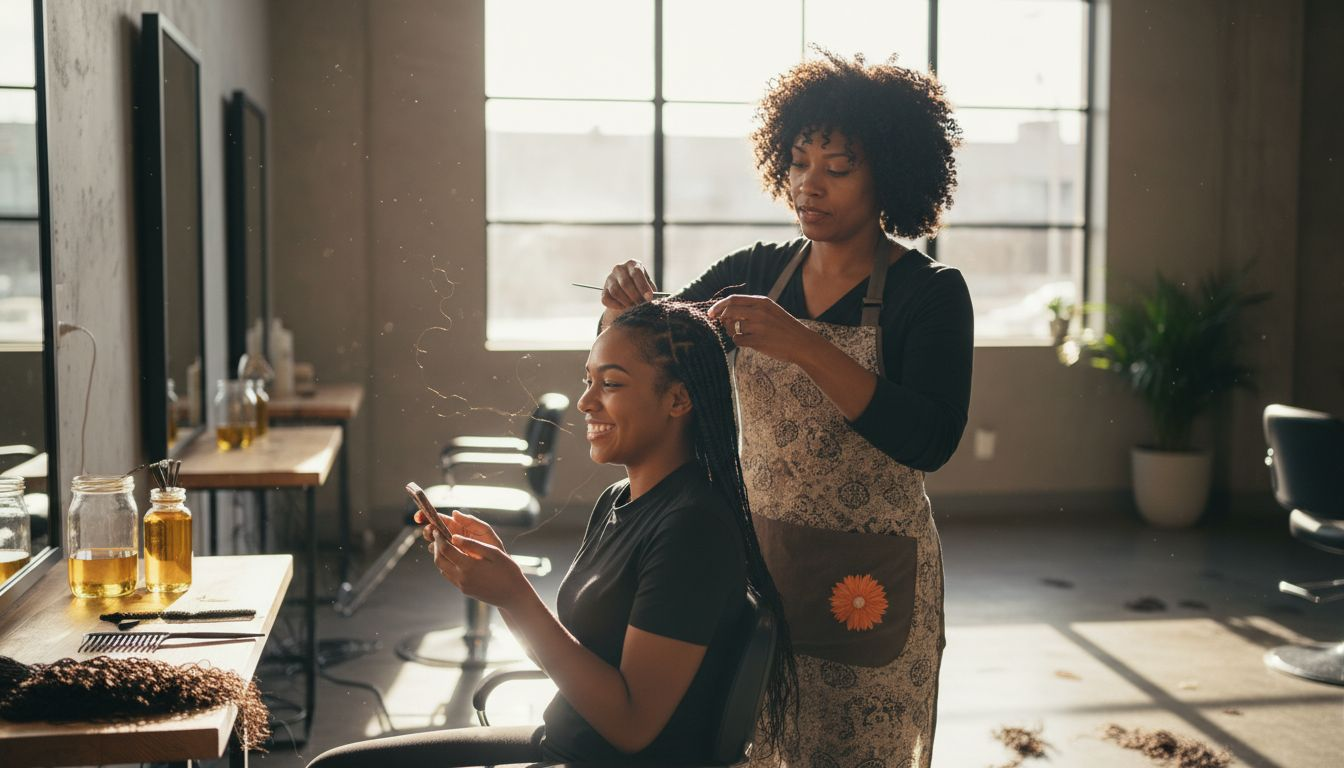
What makes a great braider: key traits for healthy braids
Many people believe tighter braids last longer and look better, but that common assumption can damage your scalp and hair. Expert braiders know that proper tension, cultural awareness, and protective techniques create styles that honor your heritage while keeping your hair healthy.
Loading campaign…
What makes a great braider: key traits for healthy braids
Table of Contents
- Introduction: Why The Right Braider Matters
- Technical Proficiency And Style Mastery
- Cultural Competency And Client Communication
- Protective Styling And Hair Health Practices
- Common Misconceptions About Braiding
- Comparison Framework: What Makes A Great Braider
- Practical Guide: Finding And Working With Your Braider In Antwerp
- Summary And Next Steps
- Frequently Asked Questions
Introduction: why the right braider matters
African hair braiding represents far more than a beauty service. For people of African descent, braiding carries deep cultural meaning and expresses personal identity through artistry passed down through generations.
In Antwerp, finding braiders who truly understand diverse textures, respect cultural heritage, and prioritize hair health can feel challenging.
- Styles that celebrate your cultural roots
- Techniques that minimize scalp tension
- Advice on maintaining braids between appointments
- Healthy hair underneath protective styles
Technical proficiency and style mastery
Technical excellence forms the foundation of outstanding braiding. Expert braiders master fundamental techniques such as clean sectioning, consistent braid sizing, and balanced tension.
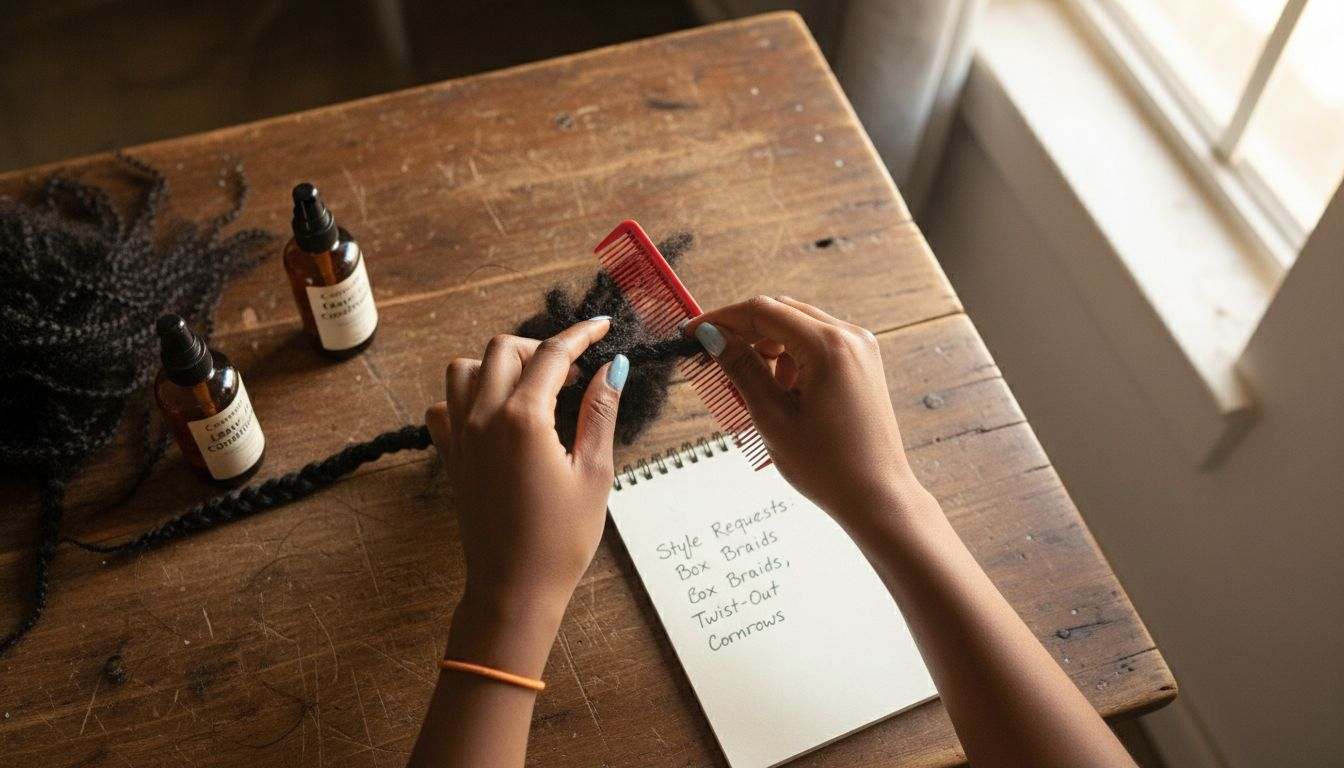
Professional braiders demonstrate skill across multiple styles including:
- Box braids
- Knotless braids
- Cornrows
- Crochet braids
Technical mastery shows through:
- Consistent braid size
- Clean parts
- Smooth edges
- Secure braids without excessive pulling
- Efficient installation
Cultural competency and client communication
Cultural awareness transforms braiding from simple hairstyling into meaningful personal expression.
Great braiders understand the history behind styles and respect the cultural significance many clients attach to their hair.
During consultation, skilled braiders ask about:
- Your lifestyle
- Your previous braiding experiences
- Your cultural preferences
- Your hair health concerns
- Your desired style
Protective styling and hair health practices
Expert braiders prioritize long-term hair health. Protective styling should strengthen natural hair rather than stress it.
Important health practices include:
- Balanced braid tension
- Lightweight extensions
- Proper scalp care
- Realistic wear time
A recommended aftercare routine:
- Cleanse your scalp weekly using diluted shampoo
- Moisturize every 2–3 days
- Massage your scalp daily
Common misconceptions about braiding
Several myths lead to poor braiding experiences.
Myth: Tighter braids last longer.
Reality: Excessive tension increases breakage and scalp damage.
Myth: All braiders have the same skill level.
Reality: Expertise varies widely depending on training and experience.
Myth: Braids require no maintenance.
Reality: Proper scalp care is essential for healthy hair.
Comparison framework: what makes a great braider
| Criteria | What to Look For | Why It Matters |
|---|---|---|
| Technical Skill | Clean parts, even tension, consistent braids | Ensures comfort and durability |
| Cultural Competency | Understanding of style origins | Authentic representation |
| Hair Health Focus | Protective techniques and aftercare guidance | Prevents hair damage |
| Communication | Clear consultation and honest advice | Better final results |
Practical guide: finding a braider in Antwerp
Finding the right braider requires research and clear communication.
- Review portfolios carefully
- Ask questions about experience
- Schedule a consultation
- Confirm pricing and timing
Summary and next steps
Exceptional braiders combine technical mastery, cultural awareness, and strong hair-health practices.
Choosing the right professional ensures braids that look beautiful while protecting your natural hair.
Frequently Asked Questions
What should I ask a braider during consultation?
Ask about their experience with your hair texture, braid tension methods, aftercare recommendations, and total service cost.
How long should braids stay in?
Most protective styles should remain in for about 6–8 weeks to prevent buildup and breakage.
Share this article: